Back to Teacher View
Student View


TRUE TEEN STORIES EN ESPAÑOL
Action Bilingual: Articles in English and Spanish
Our engaging, high-interest True Teen Stories are ideal for building a variety of important ELA skills, including speaking and listening, sequencing, and identifying text structures. Available in both English and Spanish, this collection of True Teen Stories will serve as excellent linguistic support and scaffolding for the Spanish-speaking students in your classroom. We also hope you can use these rich, authentic texts to build resilience and introduce your students to the diverse experiences of American teenagers.
In this collection you'll find:
- Ten True Teen Stories, available in both English and Spanish
- A Teaching Guide, with teaching tips and standards
True Teen Stories
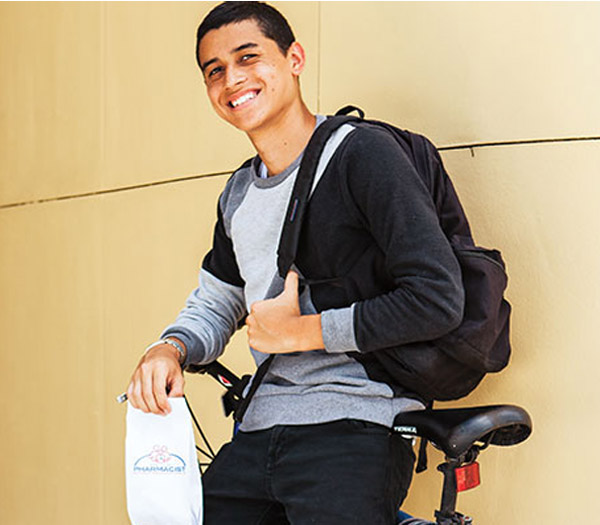
I’m 17, and I Take Care of My Abuela
Inside Daniel’s life as a teen caregiver

Her Dance Got Famous. Why Didn’t She?
Meet the 14-year-old behind TikTok’s viral #Renegade dance.

Mason’s Super Idea
Mason, 15, couldn’t find a job he liked—so he started his own business.
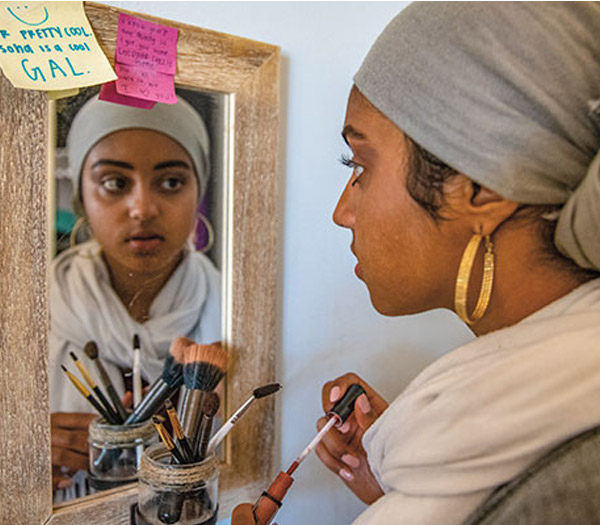
Why I Wear a Headscarf
Soha explains how her headscarf honors her religion.

Bravely Going Blind
Read about a 15-year-old boy’s race to see the world before losing his vision.
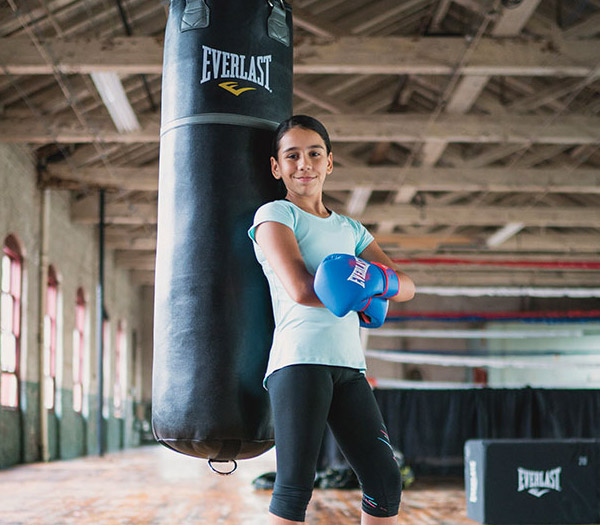
Next Stop: Olympics
Meet a teen boxer and learn the secret to her success.

Kheris Fights Back
After being bullied, this brave teen found a surprising way to stand up for herself.

She Changed Her School Forever
Find out how Lemiley got her school to change its racist mascot.
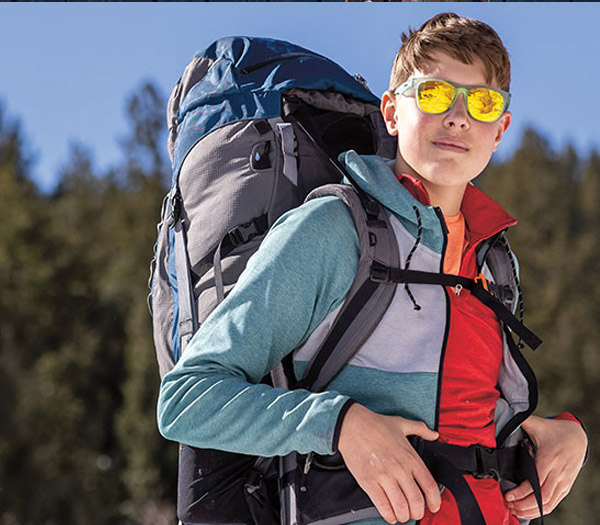
I Survived a Bear Attack
Learn how a scary experience made Ben braver.
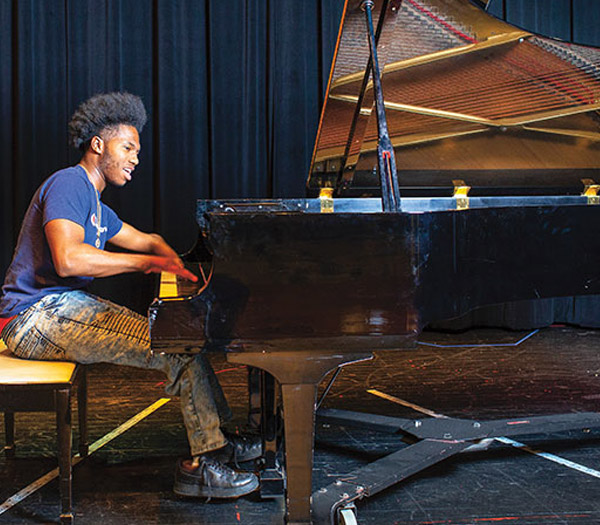
The Amazing Music of Darrius Simmons
How a teen boy from Ohio ended up playing piano at Carnegie Hall
Teaching Guide
Action’s True Teen stories are designed to engage and inspire students while boosting literacy. Each compelling and relatable story is accompanied by a skills activity (cause and effect or problem and solution) to deepen students’ understanding of text structure and of the story.
Here are a few teaching ideas that will help you get the most out of these Spanish and English texts in your classroom.
Teaching Strategies
Depending on the makeup of your classroom and the English proficiency of your multilingual learners (MLLs), here are three ideas for how to use a Spanish True Teen Story in your classroom:
- Before introducing the English version of a story, have Spanish-speaking students read the Spanish version independently. Then provide the story in English. If students encounter challenges understanding particular words or phrases, allow them to consult the Spanish version.
- Have students read the story in Spanish, independently or in pairs or small groups. Then have them join other Spanish-speaking students in the class to discuss the story in Spanish before working in small groups to complete the Spotlight Skill activity in English.
- Have each student in your class read the story in their native language with a partner. Have each pair verbally create a summary of the story. Then pair a student who read the English version with a student who read the Spanish version and have them share their summaries. Finally, have these pairs complete the Sequence of Events Skill Builder (available in English at two levels of difficulty) together.
Ideas for newcomers or students whose home language is other than Spanish or English:
- Every True Teen Story comes with a lesson plan. At the end of the lesson plan, you’ll find three types of comprehension questions (yes/no, either/or, and short-answer) to help you assess students’ comprehension no matter where they are in their acquisition of English. You’ll also find our Language Acquisition Springboard, a quick tip to help you address an especially challenging or valuable aspect of the text.
- Before students read the English version of the story, they can listen to an Action editor reading it aloud. The text-to-speech function (available in Presentation View) will help them follow along visually as they listen.
- With a small group of students at the same level of language acquisition, do a choral reading of the English version in small chunks. Stop to show pictures or act out words that might be challenging.
- As you read, check comprehension with yes/no or either/or questions. For example, if you are reading the story “Mason’s Super Idea,” pause to ask “Do you like hot dogs?” or “Do you prefer ketchup or mustard?” to help students use the words in simple contexts.
- Work together with students to complete the Spotlight Skill activity. Have students dictate their thoughts to you as you write them down. Allow students to respond with pictures as well.
Ideas to Build Vocabulary
Teach the Teacher
Before reading, use our Vocabulary Slideshow to preview some key English vocabulary words in the story. As you preview each word, have Spanish-speaking students teach you what the word is in Spanish.
Identify Cognates
Before class, identify key English vocabulary words in the story. Discuss with your Spanish-speaking students whether the words are similar or different in Spanish. As students read the English version of the story, ask them to circle other words that are the same or similar to words in Spanish. Point out that looking for these similar words, called cognates, is a good strategy for understanding what they read.
Break it Down
As you come across a new or challenging word in the story, pause to say the word and have students repeat it after you. If possible, show a picture of the word or act it out. If the word is made up of multiple parts, like unbearable, look at the individual parts – un-bear-able – and talk about what each part means. Look again at how the word is used in the story to confirm that students understand it in context.
Ideas for Family Engagement
For students who have Spanish-speaking family members, send home the Spanish version of the story so everyone in the student's household can enjoy and discuss it.
Standards
CCSS: R.1, R.3, R.4, W.4, SL.1, SL.2, L.4, L.6
TEKS for Grades 6-8: 1a, 2a, 5a, 5b, 5c, 5f, 6c, 6g
Text-to-Speech